Welcome
Uncaged Counseling and Wellness provides virtual and in-person therapy for teens and adults navigating anxiety, intense emotions, identity stress, or body image concerns. Together, we’ll build practical skills to manage distress, regulate emotions, and create a steadier, more grounded daily life.
Specialties
Trauma, PTSD & Identity-Based Harm
Past or ongoing trauma-including racial trauma, religious harm, family rejection, discrimination, or systemic stress, can deeply impact your sense of safety and self. I provide trauma-informed, culturally affirming care where your lived experience is believed and centered. Healing happens at your pace, with skills that support nervous system regulation and long-term resilience.
Eating Disorders & Body Image Healing
Disordered eating, bingeing, restriction, purging, chronic dieting, or body shame often develop as coping strategies in response to stress, trauma, or cultural pressures. Therapy focuses on understanding the emotional function of these behaviors while building safer coping tools and a more peaceful relationship with food and your body.
Body-Focused Repetitive Behaviors (BFRBs)
Skin picking, hair pulling, nail biting, or other repetitive behaviors are often misunderstood stress responses -not personal failings. Using DBT and behavioral strategies, we’ll work on increasing awareness, reducing urges, and developing healthier ways to manage distress.
Borderline Personality Disorder & Emotional Regulation
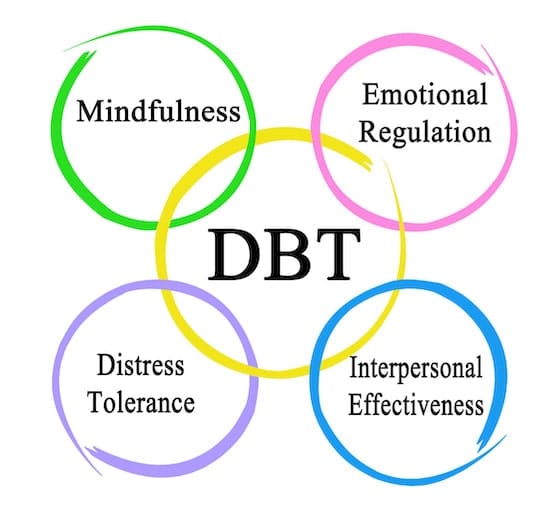
Intense emotions, fear of abandonment, relationship instability, identity confusion, or impulsive behaviors often develop as protective responses to trauma. Therapy focuses on understanding the emotional function of these patterns while building skills for regulation, distress tolerance, and healthier relationships-helping you feel more grounded and secure in yourself and your connections.
Approaches and Services
I offer a range of therapy approaches to meet different needs and goals. These approaches are tailored to help you feel understood, build skills, and develop practical strategies for navigating life’s challenges. Whether you’re looking for individual support or ways to strengthen relationships, there’s a path here for you.
Cognitive Behavioral Therapy
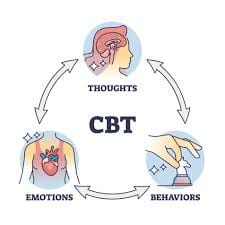
Cognitive Behavioral Therapy (CBT) focuses on identifying and challenging negative thought patterns and behaviors. It aims to help individuals develop healthier ways of thinking and coping with various life challenges. In the context of family therapy, CBT techniques can be tailored to target specific issues such as communication breakdowns, conflict resolution, and boundary-setting. Therapists may employ role-playing exercises, cognitive restructuring, and problem-solving techniques to help family members develop more effective coping mechanisms and interpersonal skills. Additionally, CBT can facilitate greater insight into familial roles and dynamics, empowering individuals to challenge unhelpful patterns and cultivate healthier relationships. By fostering collaboration and mutual support, CBT encourages families to work together toward shared goals, promoting resilience and harmony within the familial system.
Dialectical Behavioral Therapy (DBT)

Individual Therapy
Individual therapy is a collaborative, one-on-one therapeutic process designed to help individuals explore their thoughts, emotions, behaviors, and life experiences in a supportive and confidential environment. This form of therapy allows clients to work closely with a therapist to gain deeper self-understanding while working through challenges such as anxiety, depression, trauma, relationship difficulties, identity exploration, and emotional dysregulation. The process is tailored to each individual’s unique needs and may draw from evidence-based approaches including cognitive-behavioral therapy, dialectical behavior therapy, and trauma-informed practices. Individual therapy offers a consistent space for reflection, processing experiences, and developing healthier ways of responding to life’s challenges. Central to the work is a strong therapeutic relationship built on trust, empathy, and collaboration, which helps create the safety needed for meaningful change. Over time, this process can support greater emotional awareness, improved coping, and a stronger sense of alignment between one’s values, relationships, and daily life.

Family Therapy
Family therapy is a therapeutic approach that focuses on strengthening relationships and improving understanding within family systems. Rather than viewing difficulties as belonging to one person alone, family therapy considers how patterns of communication, roles, and emotional dynamics within the family influence each member’s well-being. The therapy space allows family members to share their perspectives openly while learning new ways of listening, responding, and supporting one another. Family therapy can be helpful when families are navigating conflict, behavioral concerns, mental health challenges, life transitions, or the impact of trauma. The therapist works with the family to explore patterns that may be maintaining distress and to support the development of healthier interactions that foster connection and accountability. By creating space for honest dialogue and increased empathy, family therapy aims to help families build a more stable, supportive environment that encourages growth and resilience for everyone involved.

HAES-Aligned Care
HAES (Health at Every Size®)-aligned care focuses on promoting well-being and self-care without emphasizing weight or body size as a measure of health. Instead of promoting dieting or weight loss, HAES encourages body respect, intuitive eating, and movement for enjoyment and vitality rather than punishment. In therapy, this approach helps clients build a healthier relationship with their bodies, reduce shame or anxiety around food and appearance, and focus on overall physical and emotional well-being.

Affirming Therapy
Affirming therapy creates a supportive, nonjudgmental space where clients of all identities-especially LGBTQSAI+ individuals-can explore their experiences safely. This approach emphasizes understanding, validation, and empowerment, helping clients navigate challenges related to identity, relationships, or minority stress. Affirming therapy prioritizes respect for each person’s unique identity, encourages self-acceptance, and fosters a sense of belonging and authenticity.
Meet Your Therapist
Rachel LeMay is a DBT-certified Licensed Clinical Social Worker and the owner of Uncaged Counseling and Wellness. She is passionate about creating therapy spaces that feel genuine, compassionate, and grounded-where clients can show up fully as themselves without judgment.
Rachel takes an integrative approach to therapy, drawing from modalities such as Dialectical Behavior Therapy (DBT), Somatic Experiencing, Acceptance and Commitment Therapy (ACT), and humanistic frameworks. Rather than limiting her work to a single model, she intentionally weaves together different approaches to meet each client’s unique needs, recognizing that healing is not one-size-fits-all.
In addition to traditional therapeutic approaches, Rachel also incorporates alternative and holistic practices such as tarot when aligned with a client’s interests and goals. These tools can offer insight, reflection, and a different way of connecting to personal meaning and intuition within the therapeutic process.
Outside of her work, Rachel enjoys reading, spending time outdoors, connecting with family and friends, participating in local mutual aid efforts, and playing with her dogs.

Insurance and Rates
I am in network with most major insurance companies including:
90 Degree Benefits (Cigna)
Aetna
Allegiance
Ameriben Solutions, Inc.
Angle Health
Anthem BlueCross Blue Shield
Ascension (SmartHealth)
Ascension SmartHealth
Assured Benefit Administrators
Auxiant (Cigna)
Bakers Union and FELRA Health
Blue Cross
Blue Shield
BlueCross and BlueShield
Boon Chapman ( Cigna )
BRMS (Cigna)
Carelon Behavioral Health
Centivo
Cigna and Evernorth
Cigna EAP
Coeur (Cigna Network)
Curative
Custom Design Benefits (Cigna)
Delta Health Systems (Cigna)
EBMS (Cigna)
Eighth District IBEW
Evolution Healthcare - EVHC
Firefly Health
Florida Blue
Geisinger Health Plan (Cigna)
Gravie Administrative Services
Health Net
Health Plans, Inc. (Cigna)
HealthEZ (Cigna)
Healthgram (Cigna)
HealthSmart Benefits (Cigna)
Highmark BlueCross BlueShield
Horizon Blue Cross and Blue Shield
Independence BlueCross
Johns Hopkins Health Plans
Kempton Group Administrators
Lucent Health
Premera BlueCross BlueShield
Providence
Quest Behavioral Health
Regence BlueCross BlueShield
Sidecar Health
Unite Us (Cigna)
UnitedHealthcare UHC | UBH
WebTPA (Cigna)
Wellmark BlueCross BlueShield
Yuzu Health (Cigna)
Please contact your insurance provider to verify in-network coverage and check for possible out of pocket costs.
Self Pay Rate-$100 per session
Contact
Please call (405)252-0354 or fill out the form below for any questions or to request an appointment.